

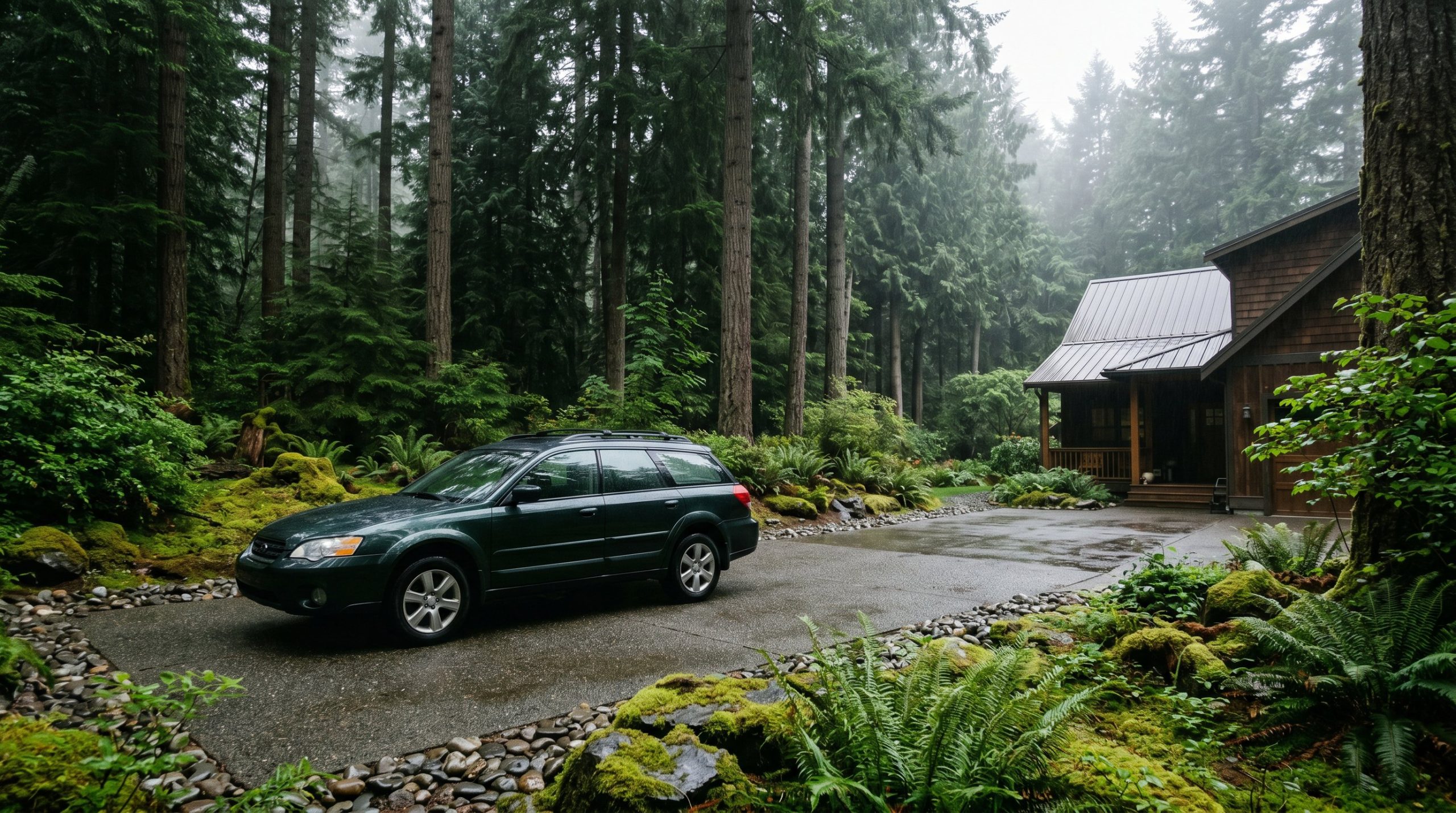
Seattle has one of the most distinctive used car markets in the country, shaped by a tech-driven affluent population, the strongest EV and hybrid adoption of almost any major metro, a culture that values outdoor and all-weather capability, and a wet climate that is easier on vehicles than the salt-and-snow markets of the Northeast and Midwest. For sellers, this means strong demand for electrified and AWD vehicles, an environmentally conscious and quality-focused buyer base, and generally good vehicle preservation thanks to the mild, rust-free climate.
This page covers the realistic options for selling a car in the Seattle metro, what makes the local market distinct, the Washington State paperwork requirements, and how the Clairvo process works for sellers across the Puget Sound region.
Free to use. No obligation. Competing offers from multiple licensed dealers across the Puget Sound region.
Selling a Car in Seattle: The Three Real Options
Every Seattle seller is choosing among three basic paths, each with a different balance of price, speed, and effort.
Private Sale
A private sale typically produces the highest sale price. Seattle’s hilly geography and dense in-city neighborhoods can make parking and showings a challenge, but the broader Eastside and suburban areas are accommodating. The tech-savvy local population is comfortable with online transactions, which shapes how people buy and sell here. Scam risk applies as everywhere, and meeting buyers safely takes planning.
Single-Buyer Platforms
Carvana, CarMax, and similar single-buyer platforms produce one offer with no negotiation and handle pickup. The tech-comfortable Seattle population has embraced online car selling, making these platforms popular here. The limitation is that a single buyer’s offer is rarely the highest available because there is no competition. Our guide on selling to Carvana covers how the single-buyer model works.
Multi-Dealer Competition Through Clairvo
Clairvo routes your vehicle to multiple licensed dealers across the Seattle metro who bid competitively. You submit once, see competing offers, and choose the best one. This fits the online-comfortable Seattle market well, delivering the price benefit of competition through a digital process. More on how Clairvo works.
What Makes the Seattle Used Car Market Different
Strong EV and Hybrid Demand
Seattle has among the highest EV and hybrid adoption rates of any major US metro, supported by environmental values, tech-industry affluence, and state incentives. Used EVs and hybrids have a deeper, more enthusiastic buyer pool here than in most markets. If you are selling an electrified vehicle, Seattle is one of the best markets in the country for it. Our guide on selling a used EV covers the EV-specific factors that matter to buyers.
AWD and Outdoor-Capable Vehicle Demand
Pacific Northwest culture values outdoor recreation and all-weather capability. AWD vehicles, crossovers, and SUVs suited to mountain trips, skiing, and variable weather have strong demand. Subarus in particular have a devoted following in the region, similar to New England. If you are selling an AWD or outdoor-oriented vehicle, the Seattle market is favorable.
Mild Climate Preserves Vehicles
Unlike the salt-and-snow markets of the Northeast and Midwest, Seattle’s mild, wet climate is relatively easy on vehicles. There is little road salt and minimal rust, which means vehicles here tend to be better preserved. This works in sellers’ favor, since a well-kept Seattle vehicle often shows less wear than a comparable vehicle from a harsh-winter market. Buyers value the rust-free condition typical of Northwest cars.
Affluent, Quality-Focused Buyers
The tech-driven economy makes Seattle affluent and quality-focused. Demand skews toward reliable, well-maintained, late-model vehicles, with particular interest in electrified and premium options. Sellers of clean, well-documented vehicles often find strong demand from a buyer base willing to pay for quality.
What Seattle Sellers Need: Washington State Paperwork Requirements
Washington has specific requirements for transferring vehicle ownership. Getting the paperwork right prevents delays and protects you from liability after the sale.
- Vehicle title: Signed over to the buyer in the assignment section, with the odometer reading completed.
- Report of Sale: Washington requires the seller to file a Report of Sale with the Department of Licensing within 5 business days of the sale. This is the seller’s key protection: it formally ends your liability for the vehicle and can be filed online. Missing this deadline can leave you responsible for tickets, tolls, or incidents after the sale.
- Bill of sale: Documents the transaction and sale price, used in the title transfer process.
- Odometer disclosure: Required by federal law for most vehicles, completed on the title.
- License plate handling: In Washington, plates generally stay with the seller and can be transferred to another vehicle.
- Lien release if applicable: Documentation that any loan has been paid off and the lien released before the title can transfer cleanly.
The Report of Sale is the most important step for Washington sellers because of the tight 5-day deadline and the liability protection it provides. Our broader guide on documents needed to sell a car covers the general requirements alongside these Washington specifics.
Seattle Metro Coverage: Cities and Surrounding Areas
Clairvo connects sellers with licensed dealers across the full Puget Sound metro, not just Seattle. Coverage includes:
- Seattle and in-city neighborhoods: Downtown, Capitol Hill, Ballard, West Seattle, and surrounding areas
- The Eastside: Bellevue, Redmond, Kirkland, Issaquah, Sammamish
- North of Seattle: Shoreline, Lynnwood, Everett, Edmonds
- South of Seattle: Renton, Kent, Federal Way, Auburn, Tacoma
- Greater Puget Sound: Tacoma, Olympia-area, and surrounding communities
Because dealers across the metro can bid, sellers are not limited to whatever single dealer happens to be nearby. A seller in Seattle may receive a strong offer from a dealer on the Eastside or in Tacoma who has specific demand for that vehicle.
How the Clairvo Process Works for Seattle Sellers
Step 1: Submit Your Vehicle Online
Enter your vehicle details (year, make, model, mileage, condition) through the Clairvo platform. The submission takes a few minutes from your phone or computer, fitting the online-comfortable Seattle market.
Step 2: Receive Competing Offers from Seattle-Area Dealers
Licensed dealers across the Puget Sound metro review your vehicle and submit competing bids. You typically see offers within 24 to 72 hours. Each offer is a real, binding number from a licensed dealer, not an estimate.
Step 3: Choose the Best Offer or Decline All
Review the competing offers on a single dashboard. Choose the one that works best for you, or decline them all with no obligation. There is no pressure and no cost to see what dealers will pay.
Step 4: Drive to the Accepting Dealer for Same-Day Payment
Arrange to complete the transaction with the winning dealer. You can choose the most conveniently located dealer among those who made strong offers. Payment is typically same-day once the vehicle is verified, and the dealer can help ensure the Report of Sale is handled correctly.
Free to use. No obligation. See what multiple licensed dealers will pay for your car.
Why Competing Offers Matter More in a Market Like Seattle
Seattle’s strong EV, hybrid, and AWD demand means the value of a specific vehicle can vary a lot depending on which dealer is bidding. A dealer with a buyer waiting for your specific electrified or AWD vehicle will bid well above one who does not need it. The enthusiastic local demand for these vehicle types makes the spread between dealers especially meaningful here.
Competition surfaces that premium. Multiple dealers bidding means the one with the strongest demand for your specific vehicle sets the price, rather than you accepting the first offer. This fits the digitally comfortable Seattle market naturally. Our guide on getting multiple dealer offers covers why competition consistently produces stronger pricing, and our guide on what your car is worth covers the valuation factors that matter most.
Selling Your Car in Seattle: Frequently Asked Questions
How long does it take to sell a car in Seattle?
Through a multi-dealer platform like Clairvo, you typically see competing offers within 24 to 72 hours and can complete the sale within a few days. A private sale takes longer (often two to several weeks) because of listing, screening buyers, and coordinating showings. Single-buyer platforms like Carvana take a few days to a week including pickup scheduling and are popular in the tech-comfortable Seattle market.
Are EVs and hybrids worth more in Seattle?
Often, yes. Seattle has among the highest EV and hybrid adoption rates of any major US metro, supported by environmental values, tech-industry affluence, and state incentives. Used EVs and hybrids have a deeper, more enthusiastic buyer pool here than in most markets, which can support stronger pricing. Getting competing offers reveals what your specific electrified vehicle commands in this favorable market.
Do I need to file a Report of Sale when I sell my car in Washington?
Yes, and it is important. Washington requires the seller to file a Report of Sale with the Department of Licensing within 5 business days of the sale. This formally ends your liability for the vehicle and protects you from responsibility for tickets, tolls, or incidents after the sale. It can be filed online. Missing the 5-day deadline can leave you exposed, so it is the most important paperwork step for Washington sellers.
Are Pacific Northwest cars in better condition than other markets?
Often, yes. Seattle’s mild, wet climate has little road salt and minimal rust compared to the salt-and-snow markets of the Northeast and Midwest, so vehicles here tend to be better preserved. Buyers value the rust-free condition typical of Northwest cars, which can work in a seller’s favor. A well-kept Seattle vehicle often shows less wear than a comparable vehicle from a harsh-winter market.
Can I sell my car in Seattle if I still owe money on it?
Yes. If you still owe money, your lender holds the title and the loan must be paid off as part of the sale. Dealers handle this routinely: they pay off your lender directly and pay you the difference if your car is worth more than the payoff. Our guide on selling a car you still owe money on covers the process. Selling to a dealer is often simpler than a private sale when there is a loan involved because the dealer manages the lender coordination.
How much does it cost to use Clairvo to sell my car in Seattle?
Nothing. Clairvo is free for sellers. You submit your vehicle, receive competing offers from licensed dealers across the Puget Sound metro, and choose the best one with no cost and no obligation. If you decline all the offers, there is no charge. The platform earns through the dealer side of completed transactions, not from sellers.
Free to use. No obligation. See what your car is worth across the Puget Sound.